What is
Scaling Impact?
We talk a lot about “scale” in the impact space.
But what do we actually mean by it?
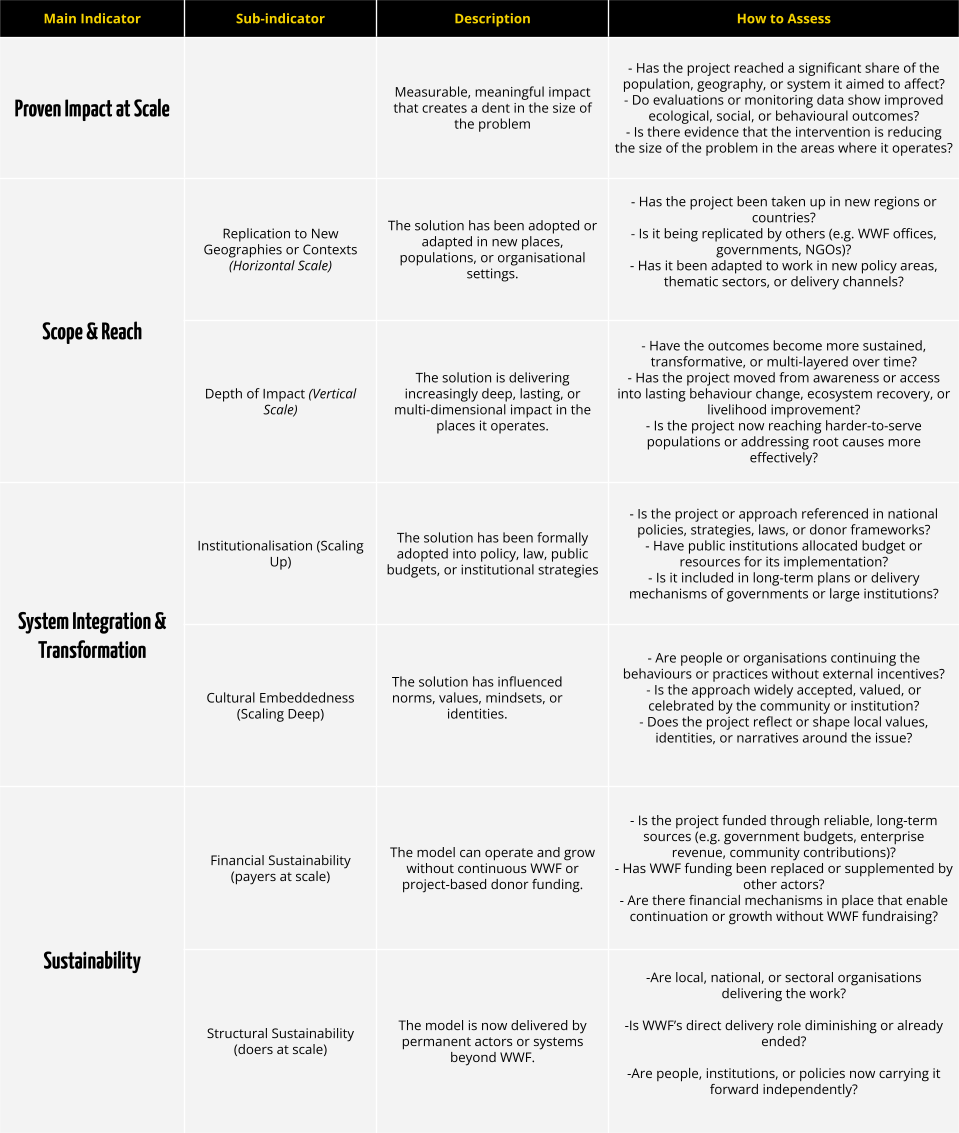
When we talk about scaling, we’re talking about increasing the impact of solutions so they can address problems at a size that truly makes a difference.
Turning Bold Ideas into real-world change
Scaling is about envisioning, developing, and deploying solutions that match the scale of the problems we’re trying to solve.
Climate change, humanitarian crises, habitat loss, and biodiversity decline are accelerating. The pace of these challenges demands more than isolated successes - we need solutions that are designed for scale from the start.
A Working Definition
All INGOs we’ve spoken with have their own definition of scaled impact because what “scale” looks like can vary depending on context, goals, and strategy. But to build a shared understanding across WWF, we’re using the following working definition:
Here’s the definition we’re using across WWF:
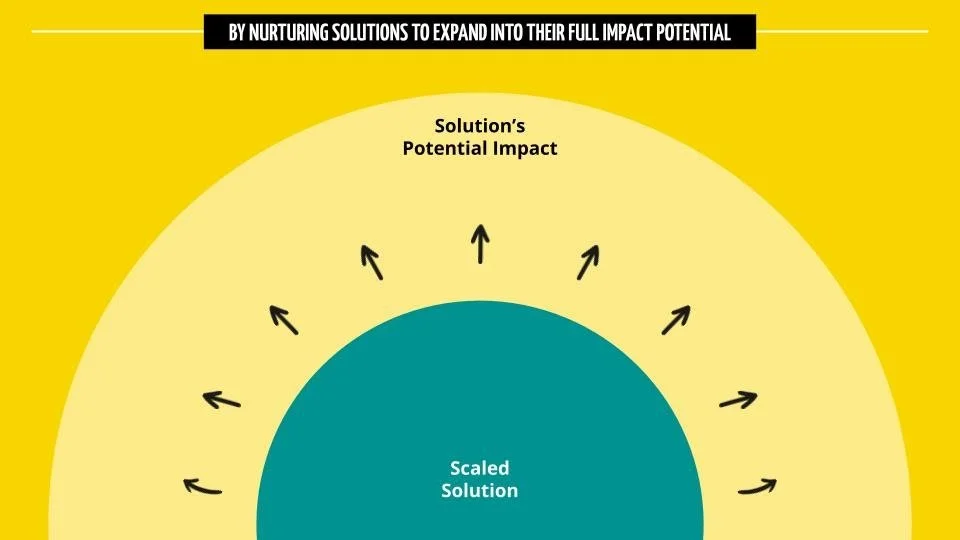
Delivering a solution that efficiently and sustainably addresses a substantial portion of a problem - implemented by actors beyond ourselves and funded by sources beyond traditional project-based donors.
Let’s unpack that:
Sustainably: The impact lasts beyond the project timeline
Efficiently: We’re not just doing more, we’re doing better with less
A substantial portion of the problem: The should be relative to the size of the problem
Implemented by others: Scaling happens when solutions are taken on by actors beyond our team
Funded beyond projects: Long-term funding mechanisms, not just one small, unpredictable grant at a time
Scaling Impact vs. Scaling Organisations:
These two ideas are often confused - but they point in very different directions.
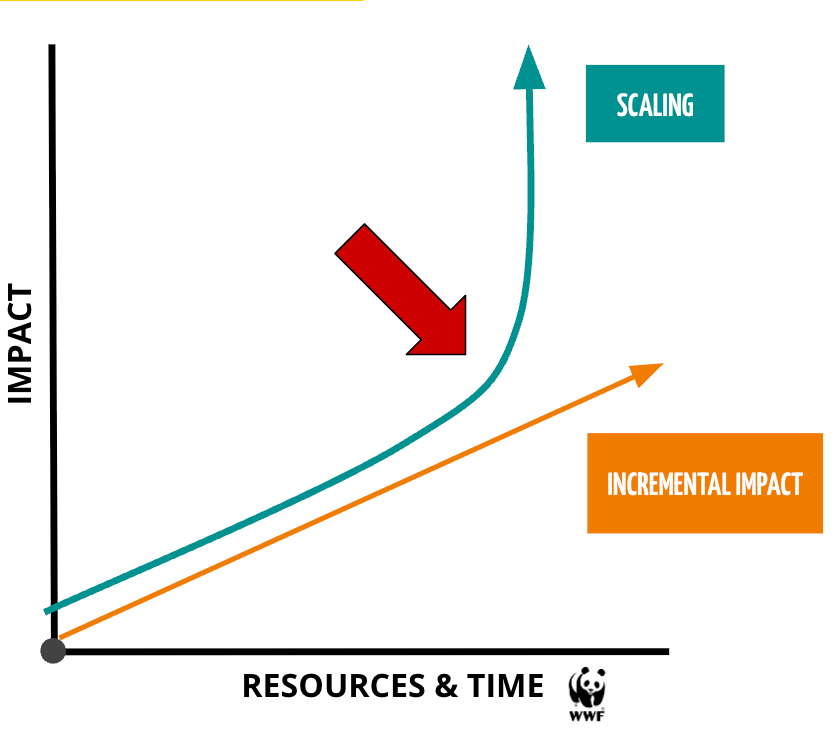
Scaling your organisation usually means growing your team, budget, or footprint to deliver more of something directly. In some cases, that’s necessary. But it has limits.
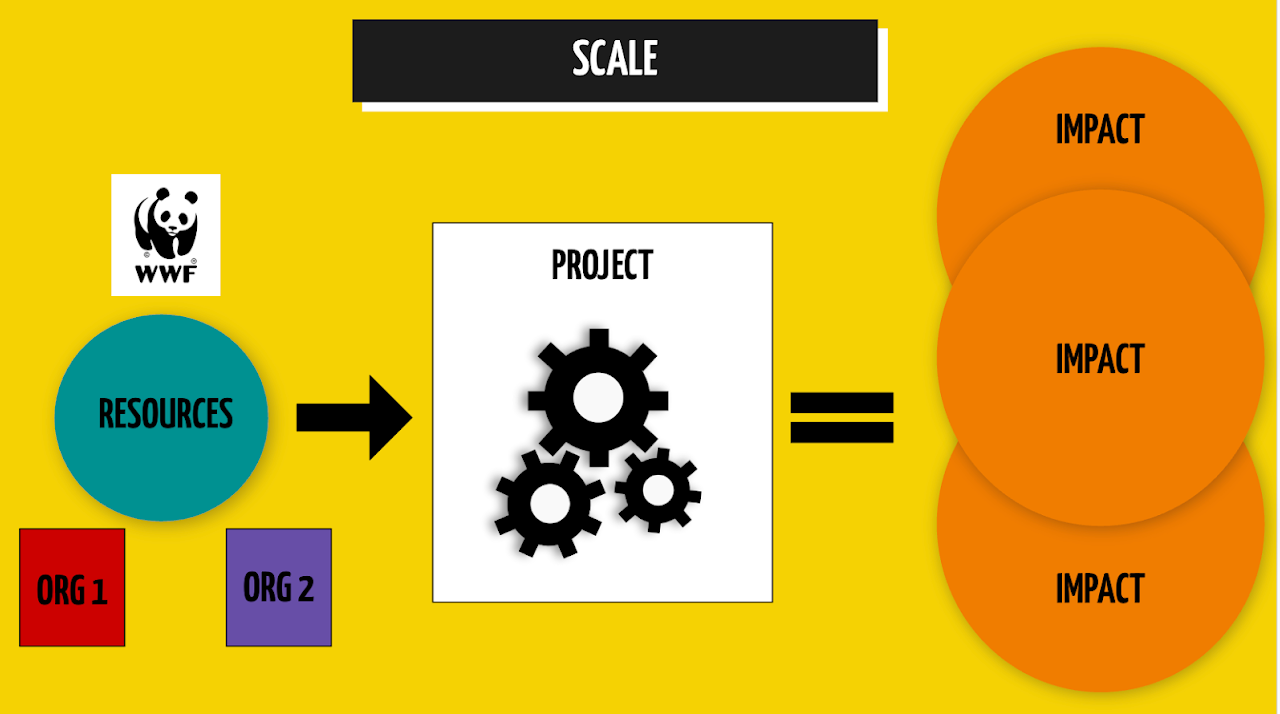
Scaling your impact is about enabling others to take on, deliver, and sustain the solution without it depending on us.
If we focus too much on growing WWF, we risk building solutions based on what we can manage internally, rather than what the problem really needs. Scaling impact means thinking beyond our own role.
Indicators of Scale
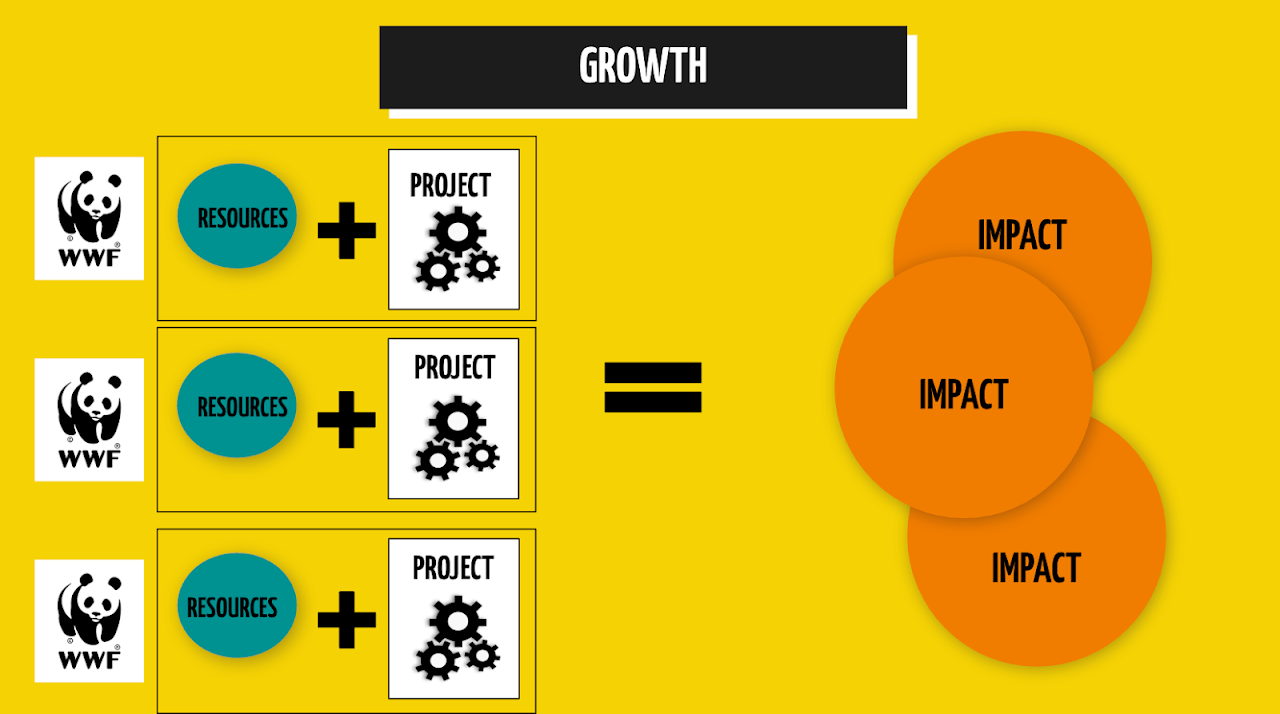
Because scaled impact can take many different forms, it’s helpful to know what to look for. The indicators below can help you recognise when a solution is moving toward scale—and what kind of scale it might be achieving.